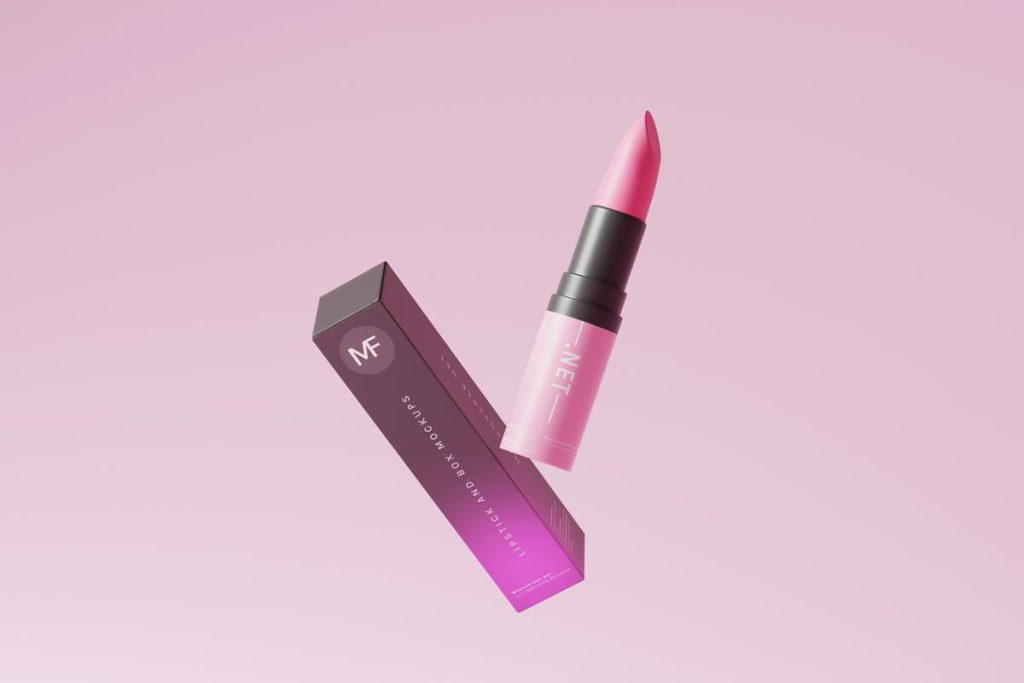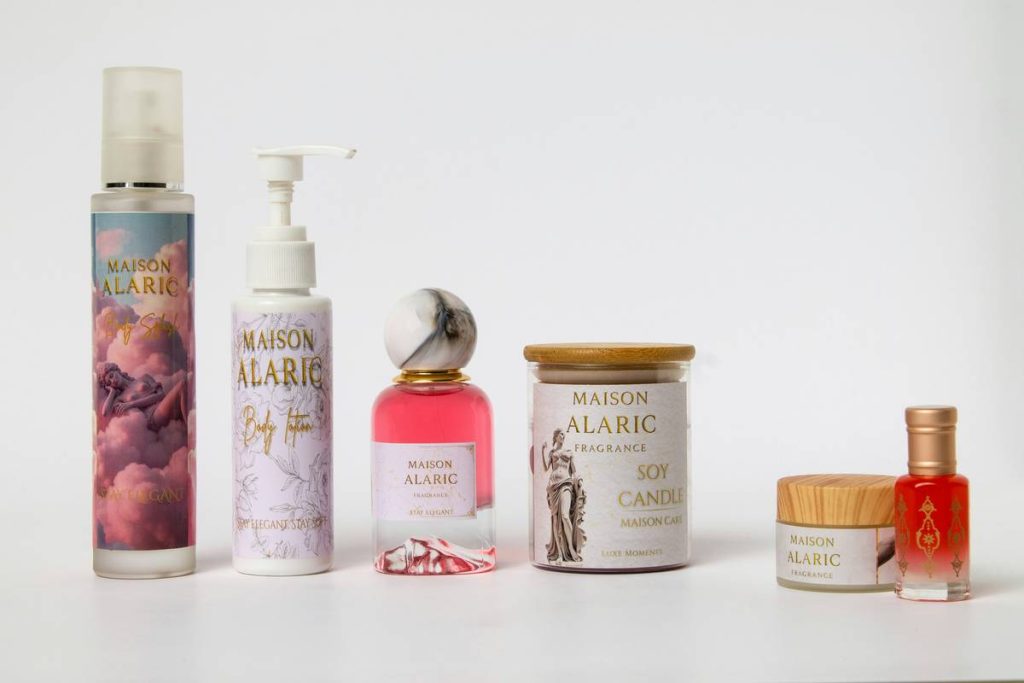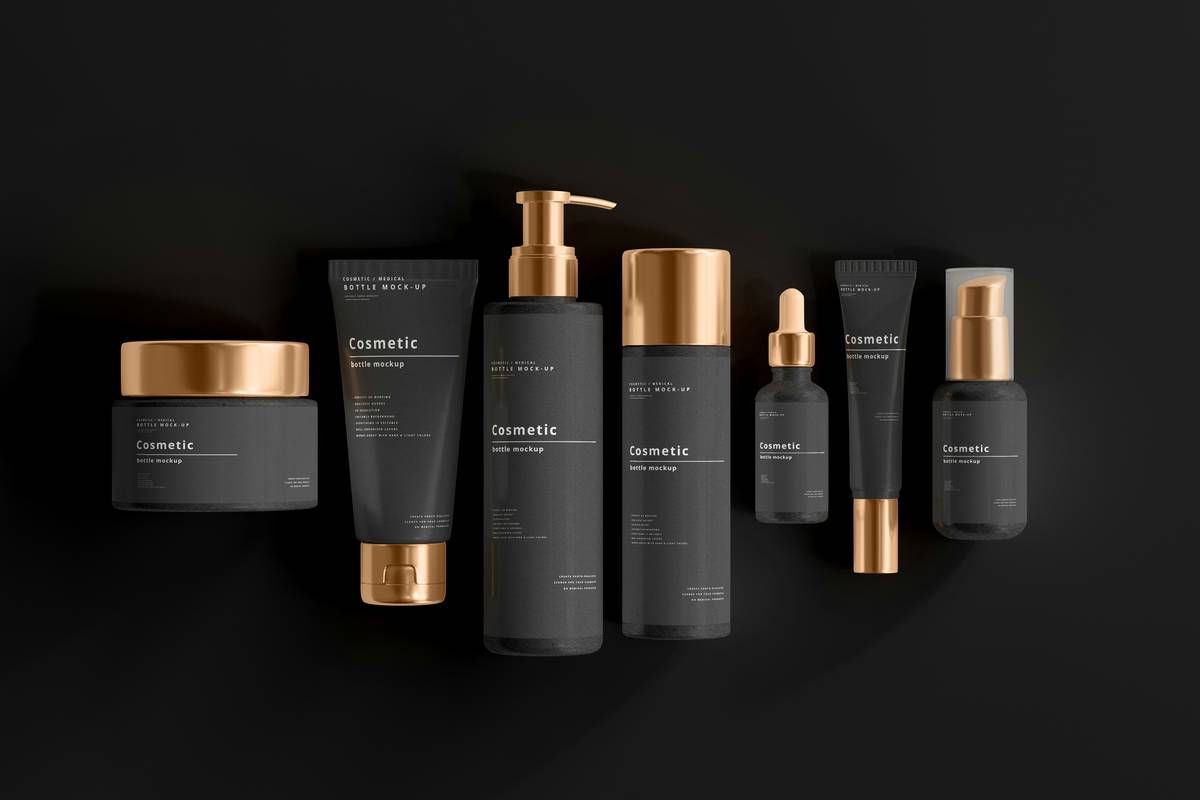
Ever unboxed a luxury lipstick only to find the cap cracked or the mirror smudged beyond recognition? You’re not alone. In the world of high-end makeup, Designer Packaging isn’t just about aesthetics—it’s your first tactile promise of what’s inside. Yet so many brands pour millions into formulation while treating packaging as an afterthought, leaving consumers frustrated and skeptical. If you’ve ever questioned whether that $65 blush is worth it—or if you’re building a luxury cosmetics line yourself—this guide cuts through the glitter to reveal what truly makes packaging earn its price tag.
Table of Contents
- Why Designer Packaging Matters in Luxury Cosmetics
- How to Evaluate Designer Packaging Like a Pro
- Best Practices for Choosing & Using Premium Makeup Packaging
- Real-World Examples That Got It Right (and Wrong)
- Frequently Asked Questions
Key Takeaways
- Designer Packaging impacts perceived product value by up to 70%, according to consumer research.
- Durability, usability, and sustainability now outweigh pure opulence in buyer decisions.
- Avoid magnetic closures that weaken over time—they’re a common luxury fail.
- Always test weight, hinge tension, and mirror clarity before purchasing high-end items.
- Your packaging choices reflect brand trustworthiness—especially crucial in skincare-infused makeup.
Why Designer Packaging Matters in Luxury Cosmetics
In beauty, you don’t just buy a formula—you buy an experience. And that experience begins the moment your fingers touch the box. According to a 2023 study published in the Journal of Consumer Psychology, packaging influences up to 70% of initial purchase decisions in the premium cosmetics segment. When you pay $80 for foundation, you expect the bottle to feel substantial, the pump to glide smoothly, and the cap to snap shut with satisfying precision—not wobble like a loose tooth.
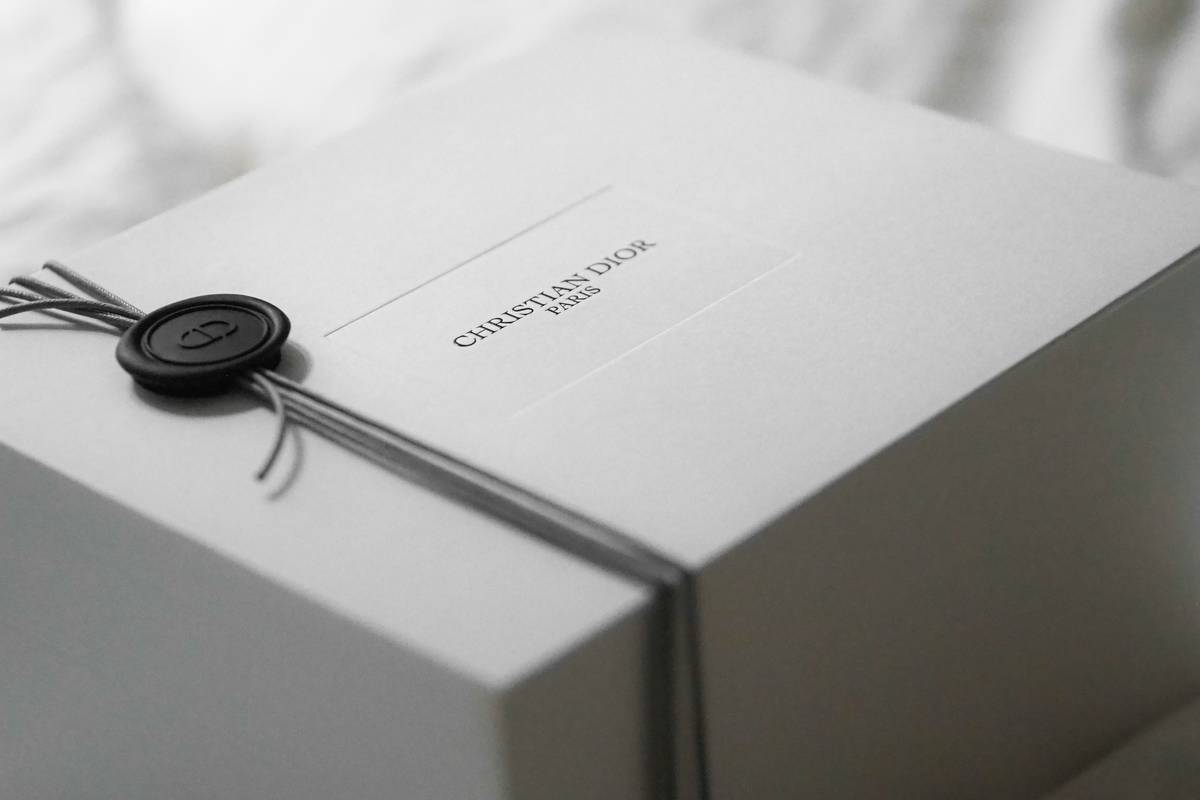
I learned this the hard way. Last year, I splurged on a limited-edition designer palette—gorgeous matte black case, magnetic closure, Instagrammable as hell. Two weeks in, the magnet gave out. Eyeshadows rattled during travel, one pan chipped, and the whole thing felt flimsy. I’d paid for art, not armor. That’s when I realized: true luxury isn’t just visual. It’s engineered.
How to Evaluate Designer Packaging Like a Pro
Check Weight and Material Density
Lift it. A genuine luxury item should feel dense, not hollow. Glass > plastic, metal > aluminum-coated resin. Brands like Gucci and Tom Ford use weighted bases to convey quality—physics doesn’t lie.
Test Functional Elements
Open and close the compact five times. Does the hinge resist smoothly? Is the mirror distortion-free? If the applicator sticks or leaks, walk away—even if the shade is perfect.
Assess Sustainability Claims
Many brands now tout “eco-luxury.” Verify: Is the refill system actually usable? Or is it greenwashing? The U.S. Environmental Protection Agency notes that true sustainable packaging must be reusable, recyclable, or compostable—not just labeled as such.
Best Practices for Choosing & Using Premium Makeup Packaging
- Avoid gimmicks over function. Rotating bases and LED lights look cool but often compromise structural integrity.
- Clean regularly. Wipe hinges and mirrors with alcohol wipes to prevent bacteria buildup—luxury doesn’t mean sterile.
- Prioritize refills. Brands like Chanel and Dior offer refillable compacts, reducing waste and long-term cost.
- Store upright. Even the best Designer Packaging can leak or warp if left on its side for weeks.
And here’s a terrible tip I’ve heard too often: “Just keep it in the box—it’ll last longer.” Nope. Boxes crush. Moisture builds. Always store products in climate-controlled drawers, not cardboard tombs.
Real-World Examples That Got It Right (and Wrong)
Take Pat McGrath Labs’ Mothership palettes. Their signature mirrored compacts? Heavy-gauge metal, precise hinge tension, and seamless lid alignment. They’ve maintained consistent Designer Packaging standards since launch—no recalls, no complaints about durability. Contrast that with a certain Parisian brand’s 2022 holiday collection, where users reported shattered acrylic lids within days. Customer trust plummeted; resale value tanked.
Data backs this up: A 2024 report from McKinsey found that 68% of luxury beauty buyers would switch brands after a single poor packaging experience—even if they loved the formula. That’s why consistency in Designer Packaging builds loyalty far beyond Instagram appeal.
At Sign’I’Ture, we obsess over every curve and clasp because we know your trust starts with how a product feels in your hand. Learn more about our ethos on our About Us page.
Frequently Asked Questions
Does Designer Packaging affect product shelf life?
Yes. Air-tight pumps and opaque containers protect light-sensitive ingredients (like vitamin C), extending potency. Flimsy packaging accelerates oxidation.
Are expensive materials always better?
Not necessarily. What matters is engineering. A well-designed aluminum case can outperform cheap glass in durability and portability.
How can I tell if packaging is refillable?
Look for removable pans or modular inserts. Brands committed to sustainability clearly label refill systems—often with tutorials on their site.
Is Designer Packaging worth the markup?
Only if it enhances usability and longevity. If it cracks, leaks, or confuses, it’s decoration—not design.
Do regulations govern cosmetic packaging?
Minimal federal oversight exists in the U.S., but the FDA recommends tamper-evident features for certain products. Always check ingredient safety via official sources like the FDA’s cosmetics portal.
Designer Packaging isn’t window dressing—it’s your silent salesperson, your brand’s handshake, your promise kept every time someone opens that compact. Don’t settle for pretty emptiness. Demand substance wrapped in sophistication.
If you’re developing a luxury line and need honest feedback on your prototype’s feel, finish, or function, reach out to us. And remember: we never share your data—see our full Privacy Policy for details.
Final thought: Great makeup lives on your face. Great packaging lives in your memory—and your makeup bag—for years.